The Chanel Classic Flap is a dream purchase for many shoppers – and a top target for counterfeiters. If you are considering a pre-owned piece, a real vs fake Chanel Classic Flap check can save you from losing thousands of dollars, pounds, euros or dirhams. This guide helps buyers in the US, the UK, Europe and the Gulf understand the details authenticators usually look at, the mistakes counterfeits commonly make, and why professional verification still matters.
Keep in mind that the Classic Flap has been produced for decades in several sizes, leathers and hardware finishes. Chanel has also changed how it identifies bags. Always compare a bag with references from the same era.
Quick check: authentic vs common counterfeit tells
| Checkpoint | Authentic (typical) | Common counterfeit tell |
|---|---|---|
| Quilting | Diamonds line up across flap, body and back pocket | Diamonds break or shift at the seams |
| Stitch density | Small, tight, numerous stitches per diamond | Fewer, longer stitches; puffy, uneven diamonds |
| CC turn-lock | Crisp, balanced overlap of the Cs | Chunky, uneven or wrongly overlapping Cs |
| Chain | Smooth links woven with leather, substantial weight | Light, rattling chain; leather twisting or cracking |
| Heat stamp | Clean “CHANEL ®” and “Made in” lettering | Thick, smudged letters; odd spacing of ® |
| ID | Serial sticker + card (older) or metal plate with microchip (from 2021) | Sticker or card style not matching the claimed year |
| Seller | Traceable history, inspection allowed | Rushed advance payment, “factory” stock |
1. Leather: lambskin and caviar
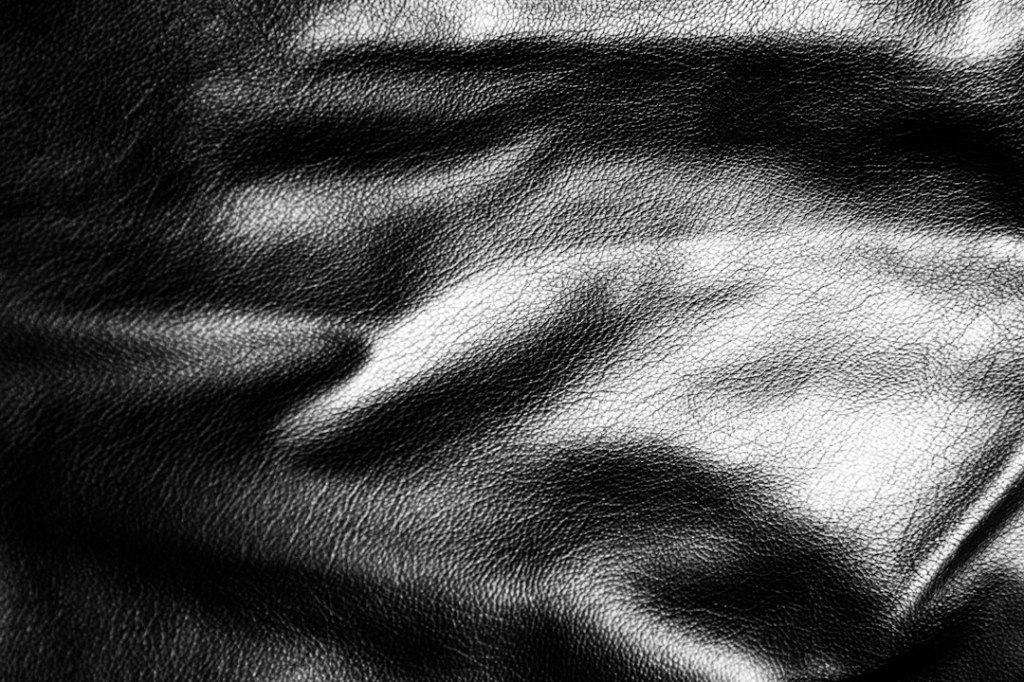
Most Classic Flaps are made in either smooth lambskin or grained caviar leather. Genuine lambskin is buttery and soft with a gentle sheen; it marks easily, which is normal. Authentic caviar has a pebbled texture with slightly irregular, raised grains and a subtle shine. Counterfeit caviar often looks too uniform and glossy, and fake lambskin can feel stiff or plasticky.
2. Quilting alignment
The diamond quilting is one of the strongest visual clues. On an authentic Classic Flap, the diamonds on the front flap usually line up with the diamonds on the body below, and the pattern continues neatly around the back pocket. The diamonds should look evenly sized and nicely padded. On many counterfeits, the pattern breaks at the edges or the diamonds look stretched and uneven.
3. Stitching and stitch count
Chanel uses a high stitch density on its quilted bags. Authenticators commonly report counting the stitches along one side of a diamond: genuine full-size flaps are often reported to have a noticeably higher count than counterfeits, which tend to use fewer, longer stitches to save time. Counts vary by size and era, so use this as a supporting clue. Stitches should be straight, tight and consistent, with no loose threads.
4. Hardware: CC turn-lock and chain
The CC turn-lock should look balanced and finely finished. A detail commonly checked by authenticators is how the two Cs overlap: on authentic locks the overlap pattern is consistent and deliberate, while counterfeit locks may have the wrong overlap, thick edges or an uneven finish. The back plate is normally secured with neat screws rather than rivets or glue.
The chain strap is interwoven with leather. A genuine chain feels heavy and moves smoothly; the leather should lie flat without twisting. Light, noisy chains and peeling plating are frequent counterfeit tells. Note that hardware colour (gold, silver, ruthenium, aged gold) varies by year and version.
5. Logo and CC proportions
Look at the CC logo on the turn-lock and any interior stamping. On genuine pieces the two Cs are equal in size, with even thickness and a clean curve. Counterfeits often make the Cs too fat, too thin, or slightly different from each other.
6. Interior heat stamp and font
Inside the bag you will usually find a stamp reading “CHANEL” with the ® symbol, followed by “Made in France” or “Made in Italy”. The letters should be thin, evenly spaced and cleanly pressed. Smudged gold foil, thick letters or a misplaced ® are common red flags. Both France and Italy are genuine production countries.
7. Serial sticker, authenticity card or microchip
For decades, Chanel bags carried a serial number sticker inside, usually matched by an authenticity card. Around 2021 Chanel replaced the sticker system with a small metal plate bearing a code, together with an embedded microchip, and stopped issuing authenticity cards. So a recent Classic Flap with no card is normal.
Counterfeiters copy stickers, cards and plates. A matching card is never proof on its own. What matters is whether the identification style matches the era of the bag and whether everything else is consistent.
8. Interior lining and pockets
The Classic Flap typically has a leather-lined interior (burgundy is the classic colour) with an inner flap and slip pockets. The back of the bag usually has a curved “Mona Lisa smile” pocket. Check that interior leather is smooth and well-finished, and that pockets and edges are neat and symmetrical.
9. Dust bag, box, price and seller red flags
Dust bags, boxes, ribbons and camellias are widely copied, so packaging carries little weight. Instead, focus on the seller:
- The price is dramatically lower than comparable pre-owned listings on established resale platforms.
- The seller says the bag is “factory direct” or “from an export lot”.
- Only stock photos are shared, or the seller refuses close-ups of the stamp and stitching.
- Full advance payment is demanded by wire transfer, Zelle, crypto, gift cards or PayPal “Friends and Family”, with no returns.
- The seller won’t allow an independent authentication.
Selling counterfeits under a brand’s name is illegal in the US, the UK, the EU and the Gulf states, customs officers regularly seize fake designer goods, and the fake-goods trade is frequently tied to exploitative labour. Buying the real thing – or nothing – is the safer choice.
When to get a professional authentication
Because the Classic Flap is expensive and heavily counterfeited, it is worth verifying every pre-owned purchase. Online tips cannot guarantee authenticity. Buy from a Chanel boutique where possible, or use a reputable professional authentication service that physically examines the bag and offers a written result.
FAQ
My Chanel has no authenticity card. Is it fake?
Not necessarily. Chanel stopped issuing cards when it switched to metal plates and microchips around 2021, and older cards are often lost.
Can I check a Chanel serial number online?
There is no official public database. Serial numbers can only indicate an approximate era and must be judged together with the bag.
Is “Made in Italy” a sign of a fake Chanel?
No. Chanel produces bags in both France and Italy.
Are stitch counts enough to authenticate?
No. They are one clue among many and vary by size and era.
Bottom line
Genuine Classic Flaps show precision everywhere – quilting, stitching, lock, chain and stamps. Don’t rely on cards or packaging, check the seller as carefully as the bag, and get professional verification before you pay.
This guide is for general awareness. For a definitive answer, use the brand or a professional authentication service. Real or Fake Bags is not affiliated with Chanel or any brand mentioned.
💬 Join the conversation
The Classic Flap is one of the most debated bags in the authentication world. What’s your take? Tell us in the comments:
- Lambskin or caviar – which would you buy pre-owned, and why?
- Have you ever seen a “Chanel” with quilting that didn’t line up? Where was it being sold?
- Do you trust stitch counts, or do you think they’re overrated? Share your view.
We read every comment and reply to questions. If this guide helped you, tap Like ❤️ and share it with a friend who’s saving up for their first Chanel.
Please keep comments helpful and respectful. Links to replica sellers or requests to buy fakes will be removed.


Leave a Reply