“Just smell it” and “burn a corner” are some of the most common tips people share when they ask about a real vs fake leather handbag. Unfortunately, many of these tests are unreliable, and some can damage a bag you don’t even own yet. This guide explains the leather types used in luxury handbags, the checks that are actually useful, and the myths you can safely ignore. It is for shoppers in the US, the UK, Europe and the Gulf who want to make smarter decisions, especially when buying pre-owned.
First, a key point: “real leather” does not mean “real brand”
Many counterfeit luxury bags are made from genuine leather. And some authentic luxury bags are not mainly leather at all – for example, many monogram and checked designs from major houses use coated canvas with leather trim. So identifying real leather tells you about the material, not about who made the bag. Always combine material checks with brand-specific checks and a look at the seller.
Common materials in handbags
| Material | What it is | How it usually looks and feels |
|---|---|---|
| Full-grain leather | Top layer of the hide with the natural surface intact | Visible pores and small irregularities; develops patina |
| Top-grain / corrected grain | Surface sanded and often embossed with a pattern | More uniform texture; can still be high quality |
| Coated canvas | Textile base with a durable coating, often printed | Firm, light, water-resistant; not leather |
| PU / “vegan leather” | Plastic coating on a fabric backing | Uniform repeat pattern, fabric visible at cut edges |
| Bonded leather | Leather scraps glued and pressed with a coating | Can peel or flake; edges look layered |
Checks that are actually useful
1. Look at the grain pattern
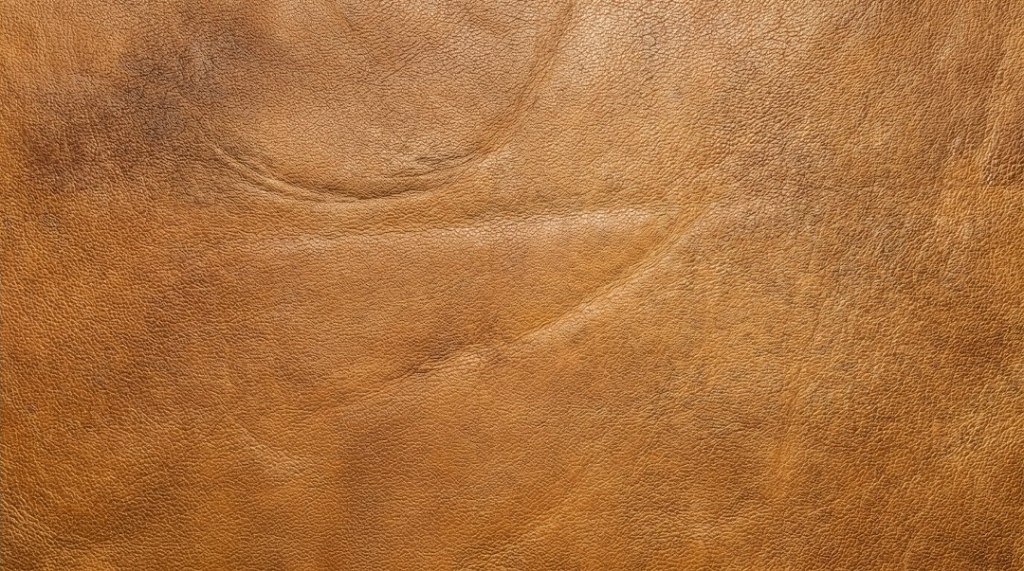
Natural leather has small variations: pores of different sizes, creases, tiny marks. Machine-printed synthetic grain often repeats in a regular pattern. Keep in mind that luxury brands also use embossed leathers (such as Saffiano-style or certain grained leathers) that are intentionally uniform, so a uniform grain alone doesn’t mean fake.
2. Check the edges
Edges are revealing. Good leather goods usually have smooth, evenly applied edge paint or neatly turned and stitched edges. Synthetic materials may show a fabric layer when cut, and cheap finishing often looks lumpy, cracked or sticky. Uneven edge paint is one of the most common counterfeit tells regardless of the material.
3. Feel and flex
Gently press and bend a discreet area. Real leather usually wrinkles naturally and warms slightly to the touch. Many synthetics feel cool, springy or rubbery. This is a subtle test and improves with experience – compare with a bag you know is genuine if possible, for example in a brand store.
4. Stitching and construction
High-end bags show even, tight stitching with consistent thread colour and no glue residue. Look at stress points like handle bases and strap attachments. Material quality and construction quality usually go together.
5. Compare with official product details
Brand websites usually list materials for each model. If a seller says a bag is calfskin but the official listing for that model says coated canvas, or vice versa, that mismatch is worth questioning.
Leather test myths you can ignore
The smell test
Genuine leather often has a distinct smell, but counterfeits can also be made of real leather, and leather scent sprays exist. A strong chemical smell can be a warning sign, but a pleasant leather smell proves nothing about the brand.
The water drop test
The idea is that real leather absorbs water while synthetics repel it. In reality, many genuine luxury leathers are finished or treated to resist water, and some untreated leathers (like natural vachetta) can be permanently stained by water. Don’t do this on a bag you are inspecting.
The burn test
Burning a fibre or corner is destructive, unsafe and pointless for authentication. Even if it confirms leather, it says nothing about who made the bag. No reputable authenticator uses it.
“Heavy means real”
Weight depends on design, leather type and hardware. Some genuine bags are surprisingly light, and some counterfeits are weighted with cheap fillers. Weight is a weak clue on its own.
Why material alone won’t protect you
Counterfeiters have moved upmarket. Some now use genuine leather and decent hardware to make fakes that pass a quick feel test. That’s why authentication focuses on many details together: construction, stamps, hardware, brand-specific markings, packaging consistency and the seller’s history. It is also why the safest route is to buy from the brand itself or verify through a professional.
It’s worth remembering that counterfeit goods, even well-made ones, are not a victimless purchase. Selling counterfeits is illegal in the US, the UK, the EU and the Gulf states, customs can seize fakes at the border, and counterfeit production is widely associated with poor working conditions.
FAQ
If a bag is made of real leather, is it authentic?
No. Many counterfeits use real leather. Material is just one part of authentication.
Is coated canvas a sign of a cheap or fake bag?
No. Several luxury houses use coated canvas on their most famous designs because it is durable and lightweight.
What is the safest way to check a bag’s leather?
Non-destructive visual and touch checks, comparison with official product details, and a professional authentication for anything expensive.
Bottom line
Learn to read grain, edges and construction, but don’t confuse “real leather” with “real brand”. Skip destructive myths like burn and water tests. For any meaningful purchase, buy from the brand’s own stores or website, or use a reputable authentication service. Online tips can’t guarantee authenticity.
This guide is for general awareness. For a definitive answer, use the brand or a professional authentication service. Real or Fake Bags is not affiliated with any brand.
💬 Join the conversation
Everyone seems to have a favourite “leather test”. Tell us yours in the comments:
- Which myth have you heard most often – the smell test, the water drop or the burn test?
- Have you ever been fooled by a bag that felt like real leather but turned out to be fake?
- What’s the one check you always do before buying a pre-owned bag?
We read every comment and reply to questions. If this guide helped you, tap Like ❤️ and share it with a friend who still believes the burn test works.
Please keep comments helpful and respectful. Links to replica sellers or requests to buy fakes will be removed.


Leave a Reply