Spotted a “designer” tote for $60 at a market stall or on a social media shop and thought, “Who would ever know?” Before you tap pay, it’s worth asking the real question: is it illegal to buy fake designer bags in the US or the UK? The short answer is that the law mostly targets the people who make and sell counterfeits – but that doesn’t mean buyers are risk-free, and customs can take your bag away at the border.

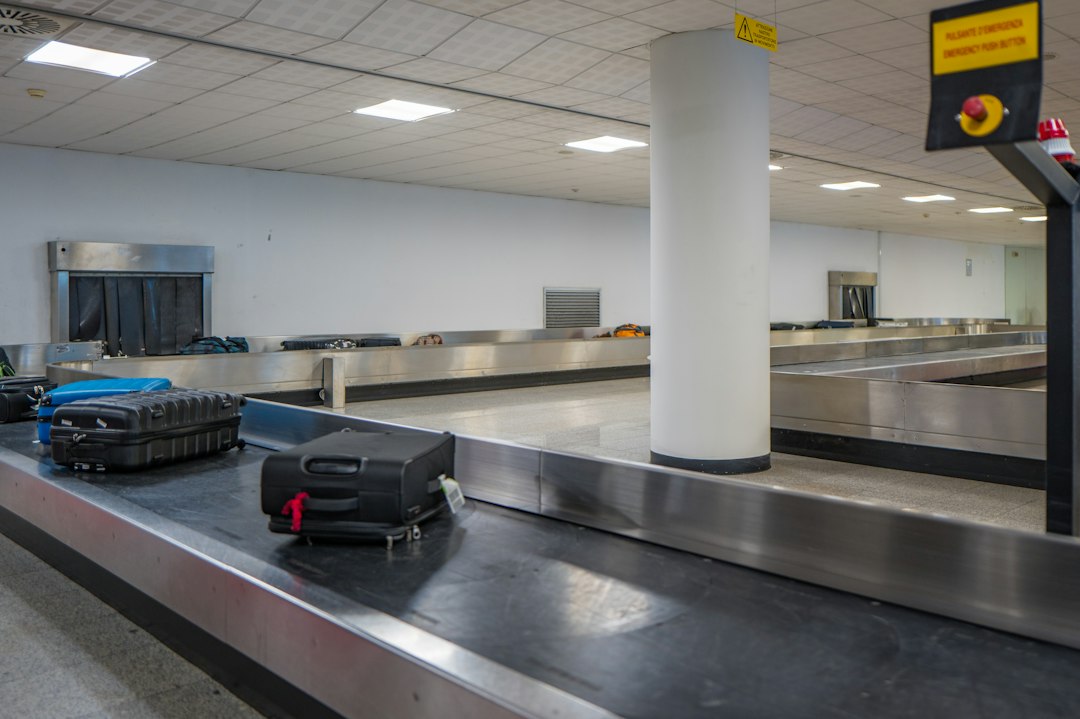
Picture this: Jess in Texas flies home with three “designer” bags from a holiday market abroad – one for her, two as gifts. A customs officer opens her suitcase. Could she lose all three? Let’s look at what the rules say.
Is It Illegal to Buy Fake Designer Bags? The Quick Answer
- Selling fakes is a serious crime in both the US and the UK, with maximum prison sentences of up to 10 years.
- Buying one fake for yourself is generally not something individual shoppers are prosecuted for in either country – but US Customs and Border Protection (CBP) says plainly that buying counterfeit goods is illegal and that bringing them in can lead to civil or criminal penalties.
- Customs can seize fakes in both countries, whether they arrive in your luggage or in a parcel.
- Some European countries go further and can fine the buyer, not just the seller.
Did you know buying a fake could be treated differently depending on where you are? Tell us in the comments whether this surprised you.
Tip: compare your item side by side with photos on the brand’s official website.
United States: What the Law Says
Selling counterfeits is a federal crime
The main federal law is 18 U.S.C. § 2320, “Trafficking in counterfeit goods or services.” It makes it a crime to intentionally traffic in goods while knowingly using a counterfeit mark. For an individual’s first offense, the maximum penalty is up to 10 years in prison, a fine of up to $2,000,000, or both.
The key word is “traffic”: transferring goods for commercial advantage or private financial gain, or importing or possessing them intending to do so. So the law targets sellers, importers and resellers, not someone carrying one bag for personal use.
Buying for personal use: rarely prosecuted, not “legal”
Individual shoppers are generally not the target of criminal cases, but that’s not a green light. CBP’s own consumer page states that buying counterfeit goods is illegal. In practice, the most likely outcome for a buyer is losing the item – and the money.
The CBP personal-use exemption (and its limits)
Federal customs regulations include a narrow exemption for travelers. Based on the regulation’s wording, it generally works like this:
- It covers one article of each type bearing a counterfeit mark – so one “designer” bag, not three.
- The item must accompany you when you arrive and be for your personal use. Online orders mailed to you don’t qualify in the same way.
- It can generally be used only once every 30 days for the same type of article.
- If you sell the item within a year of bringing it in, the government can recover it or its value.
Even within these limits, goods may still be seized, and rules can change. Jess’s two “gift” bags would fall outside a one-per-type, personal-use allowance. More on border checks: Can Customs Seize a Fake Bag You Bought Abroad?
For CBP’s own consumer guidance on counterfeits, see its Fake Goods, Real Dangers page.
United Kingdom: What the Law Says
Selling or supplying fakes is an offense
In the UK, the key law is section 92 of the Trade Marks Act 1994. It makes it an offense, without the brand owner’s consent and “with a view to gain” or intent to cause loss, to apply a trademark to goods, to sell, hire out, offer or expose for sale, or distribute goods bearing it, or to hold such goods in the course of a business. According to the Sentencing Council, the maximum sentence on indictment is 10 years’ custody.
Buying for personal use
Because the section 92 offense is built around gain, selling and business activity, simply buying one fake bag for yourself generally isn’t treated as a criminal offense for consumers. That changes quickly if you buy several to resell on Vinted, eBay or Facebook Marketplace – at that point you could be the “seller” the law is aimed at.
Border Force can still seize fakes
UK Border Force regularly announces seizures of counterfeit goods, from fake toys to football shirts. A fake bag in your luggage or a parcel can be taken, with no compensation.
Your consumer rights are weaker
If you’re sold a fake described as genuine, you may have options through the seller, platform or card provider. But if you knowingly buy a replica, you’re in a much weaker position when it falls apart, never arrives or gets seized – buyer protection is designed for people who were misled.
France and Italy: Where Buyers Can Be Fined
Some European countries are tougher on buyers. France and Italy are known for fining people who buy or carry counterfeits, not just sellers. Details: Is It Illegal to Buy Fake Designer Bags in France or Italy?
US vs UK at a Glance
| Country | Selling fakes | Buying for personal use | Customs |
|---|---|---|---|
| United States | Federal crime (18 U.S.C. § 2320), up to 10 years and $2M fine for a first offense | Rarely prosecuted, but CBP calls buying counterfeits illegal | CBP can seize; narrow one-item, once-every-30-days traveler exemption |
| United Kingdom | Offense under Trade Marks Act 1994 s.92, up to 10 years | Generally not a criminal offense for consumers | Border Force can seize counterfeit goods |
| France / Italy | Illegal | Buyers can face fines | Fakes can be seized – see our France/Italy guide |
The Risks Beyond the Law
Even where you won’t face charges, buying a fake carries real costs:
- Lost money: if customs seizes your bag, the money is usually gone for good.
- No refunds: sellers of replicas rarely honor returns, and knowingly buying one leaves you with little leverage.
- Card and data risk: fake shops can be outright scams that take your payment, ship nothing, or misuse your card details. Our guide to reporting a fake designer seller explains what to do if that happens.
- Funding crime: the Police Service of Northern Ireland has warned that money from counterfeit sales often funds serious organized crime, and that many fakes are made in poor working conditions.
- Poor quality and safety: CBP notes counterfeits often use substandard materials and wear out quickly.
What to Do If You’ve Been Sold a Fake
If you paid for a bag you believed was genuine, you’re the victim here. Next steps:
- Stop using the item and keep all packaging, listings, messages and receipts.
- Get it checked by the brand’s own store or a reputable professional authentication service – online tips can’t guarantee authenticity.
- Open a dispute with the platform or your payment provider. Our PayPal refund guide walks through the process.
- Report the seller: in the US, to the FTC at ReportFraud.ftc.gov or the FBI’s IC3 (ic3.gov); in the UK, to Report Fraud and Citizens Advice.
FAQ
Can I go to jail for buying a fake designer bag in the US?
It’s very unlikely for a single personal-use purchase, since the federal criminal law targets trafficking. But CBP says buying counterfeits is illegal, seizure is a real risk, and buying to resell is a different story.
Is it illegal to own a fake designer bag in the UK?
Owning one for personal use generally isn’t a criminal offense for consumers. Selling it, or holding fakes as part of a business, can be an offense under section 92 of the Trade Marks Act 1994.
Can I bring a fake bag back from holiday?
You risk having it seized in both the US and the UK. The US has a narrow one-item traveler exemption, but officers may still act, and countries like France and Italy can fine buyers before you even reach the airport.
Should buyers face fines, like in France and Italy?
Our view: fining shoppers raises awareness, but going after sellers and educating buyers does more. Do you agree, or should the US and UK follow France and Italy? Share your take in the comments.
Bottom Line
In the US and UK, the law hits sellers hardest – up to 10 years in prison. Buying one fake for yourself is rarely prosecuted, but it isn’t risk-free: customs can seize it, you have little comeback, and your money may fund criminal networks. Want the real thing? Buy from the brand or a seller backed by professional authentication.
This article is for general awareness and isn’t legal or financial advice. Laws and customs rules change and depend on your circumstances – check official sources or a qualified lawyer. For a definitive answer on an item, use the brand or a professional authentication service.
💬 Join the conversation
The rules on fakes surprise a lot of shoppers. Tell us in the comments below:
- Did you know CBP says buying counterfeit goods is illegal?
- Have you ever seen fake bags being sold openly on holiday or at a local market?
- Should buyers be fined, or should the law focus only on sellers?
We read every comment and reply to questions. If this guide helped you, tap Like ❤️ and share it with a friend who’s about to go shopping abroad – it could save them a lot of money. Follow us on Instagram @realorfake.bags for a new real-vs-fake check every day.
Please keep comments helpful and respectful. Links to replica sellers or requests to buy fakes will be removed.
Leave a Reply