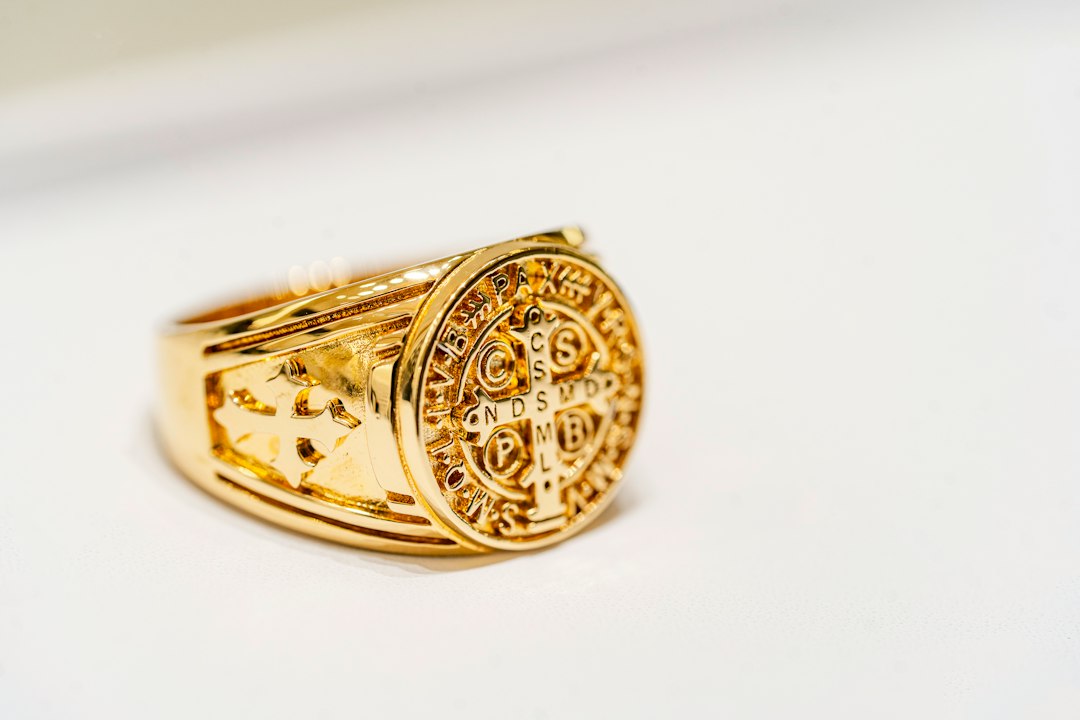
Spotted an LV Volt ring on Vinted or Poshmark for a fraction of the boutique price and wondering if it’s a lucky find or a gold-plated trap? You’re not alone. LV Volt is one of Louis Vuitton’s most recognizable fine jewelry lines, and that makes it a favorite target for counterfeiters.
This real vs fake LV Volt jewelry guide walks you through the checks that matter most: the gold, the stamps, the shape of the L and V, the diamonds and the paperwork. Whether you call it jewelry or jewellery, the rules are the same.
Picture this: a seller on Facebook Marketplace sends you close-ups of an “LV Volt One band ring, 18k pink gold, worn twice.” The photos look great. The price is $900. Before you hit “pay,” read on.

Know the item. LV Volt was created by Francesca Amfitheatrof, Louis Vuitton’s artistic director for watches and jewelry, and press coverage dates its debut to 2020. The unisex collection breaks the L and V initials into sharp, angular shapes, stacks them in mesh pieces and sets some styles with diamonds. On Louis Vuitton’s own product pages, LV Volt pieces are listed in 18-karat yellow, white or pink gold. Current examples include the LV Volt Mesh Ring in yellow gold with 9 diamonds (about 0.18 ct) at $14,000 in the US, the LV Volt One Band Ring in pink gold with one small diamond at £4,700 in the UK, and the LV Volt One Pendant at $6,000. Prices change, so always check the brand’s site for your region.
Quick Check: Real vs Fake Louis Vuitton LV Volt at a Glance
| Feature | Authentic Louis Vuitton LV Volt | Common Fake Signs |
|---|---|---|
| Metal | Solid 18k yellow, white or pink gold | Plated brass or steel, “gold-tone,” silver with plating |
| Weight | Feels dense and substantial for its size | Feels light, hollow or tinny |
| Gold stamp | Resale listings commonly describe an “Au750” stamp inside | Missing, shallow, crooked or odd stamps like “18K GP” |
| Brand engraving | Clean “Louis Vuitton” signature and an engraved serial number reported by resellers | Blurry lettering, wrong font, no number or a repeated number |
| L and V shape | Crisp angular cuts, sharp facets, balanced proportions | Soft, rounded edges; letters too thick or uneven |
| Mesh pieces | Supple and fabric-like, as Louis Vuitton describes it | Stiff, kinks easily, visible gaps between links |
| Diamonds | Small, bright stones set evenly where the design calls for them | Cloudy or glassy stones, uneven pavé, glue marks |
| Finish | High polish with clean edges inside and out | Rough insides, casting bubbles, color rubbing off |
| Price | Thousands in USD, GBP, EUR or AED | “New” pieces at a few hundred dollars |
| Paperwork | Seller can show a store receipt or reputable reseller record | No receipt, or a “certificate” that proves nothing |
Which of these checks do you usually skip when buying jewelry online? Tell us in the comments.
Tip: compare your item side by side with photos on the brand’s official website.
1. Metal & Weight
What the real one has
- Solid 18-karat gold in yellow, white or pink, as listed on louisvuitton.com product pages.
- A dense, heavy feel in the hand, even for the slim Volt One pieces.
- An even color across the whole piece, with no change at edges or corners.
What fakes often get wrong
- Plated base metal that feels light and slightly “hollow.”
- Color that looks too yellow, too brassy or too pink compared with boutique photos.
- Wear spots where plating has rubbed through, often on the inside of a ring band.
Louis Vuitton notes that metal weights are approximate and can vary slightly between pieces, so don’t treat one gram as a verdict. A jeweler with a scale and a metal tester can tell you far more than your hand can.
2. Hallmarks, Stamps & Engravings
What the real one has
- A gold purity stamp: auction and resale listings for LV Volt rings commonly describe “Au750” (750 parts per thousand, which equals 18k).
- A “Louis Vuitton” signature, plus a serial number that resellers report on many pieces.
- Possible national hallmarks: Louis Vuitton’s UK site says fine jewelry orders can take longer because of UK hallmarking rules, so pieces sold in Britain may carry an assay office mark.
- Engraving that is sharp, evenly spaced and cleanly cut.
What fakes often get wrong
- No purity stamp at all, or “18K” with “GP,” “GF” or “HGE” (signs of plating).
- Shallow, wobbly or laser-burned text with fuzzy edges.
- The same serial number appearing on several listings online.
We don’t publish a serial number “format,” because Louis Vuitton doesn’t share one, and a correct-looking stamp is easy to copy. Use stamps to rule items out, never to rule them in. Our guide to how to read jewelry hallmarks in the US, UK and EU explains what each mark really means.
3. LV Logo Proportions
What the real one has
- A deconstructed L and V with sharp angles and clean “slices,” as described by Louis Vuitton.
- On Volt One pieces, a small V tucked inside a larger L.
- Flat facets that catch light in clear planes.
What fakes often get wrong
- Rounded, melted-looking edges where the cuts should be crisp.
- A V that is too big, too small or off-center inside the L.
- Letters that look chunky or squashed next to official photos.
4. Mesh & Chain Movement
What the real one has
- Mesh rings, bracelets and necklaces made of stacked LV shapes that Louis Vuitton describes as “as supple as fabric.”
- Even spacing between elements and smooth movement with no grabbing.
What fakes often get wrong
- Stiff mesh that kinks or stays bent.
- Uneven gaps, loose elements or links that snag hair and fabric.
5. Clasp & Finish
What the real one has
- A secure clasp that closes with a firm, precise feel.
- On the LV Volt One Pendant, a 45 cm chain with an extra link at 42 cm, according to the brand’s listing.
- A clean polish on hidden areas too, such as the inside of a band.
What fakes often get wrong
- Generic lobster clasps with loose springs.
- Chain lengths that don’t match the official spec.
- Pitting, file marks or casting bubbles where buyers don’t usually look.
6. Diamonds
What the real one has
- Diamonds only on styles that call for them. The LV Volt One band ring, for example, lists one FG VVS diamond of about 0.02 ct.
- Pavé stones on some pieces, such as the 36 small diamonds on the LV Volt One Pendant.
- Stones that Louis Vuitton says are Kimberley Process certified, with gold and diamonds certified by the Responsible Jewellery Council.
What fakes often get wrong
- Cubic zirconia or glass that looks glassy, oily or too “rainbow.”
- Wrong stone count compared with the official listing.
- Stones sitting at different heights, or visible glue.
A jeweler’s diamond tester takes seconds and is a quick way to catch obvious simulants.
7. Serial Number & Certificate
What the real one has
- An engraved serial number on many pieces, as reported by auction houses and resellers.
- An original receipt from a Louis Vuitton boutique or the official website that matches the item.
What fakes often get wrong
- A glossy “certificate of authenticity” printed with LV logos. A certificate alone proves nothing.
- Serial numbers that don’t match the paperwork, or have been scratched off.
The brand’s product pages we checked don’t mention a standard certificate, so be wary of anyone who says a card “proves” a piece is real. See our 8 red flags of fake authentication certificates.
8. Packaging & Receipts
What the real one has
- A Louis Vuitton jewelry box and outer packaging, plus a care leaflet (the brand’s pages mention a Fine Jewelry leaflet).
- A receipt showing the store, date and item reference.
What fakes often get wrong
- Flimsy boxes, wrong colors or crooked logo printing.
- Edited or invented receipts. Boxes are sold separately online, so packaging never proves the piece inside is real.
Price & Seller Red Flags
- “New with tags” LV Volt pieces for a few hundred dollars, pounds or dirhams.
- Sellers who move you off the platform to WhatsApp or bank transfer.
- Stock photos lifted from louisvuitton.com instead of photos of the actual item.
- Refusal to photograph the stamps, serial number or inside of a ring.
- Many “identical” pieces in stock from one private seller.
- Tourist market stalls in Dubai or Istanbul selling “real gold LV” by weight.
Remember that selling counterfeit jewelry is illegal in many countries, including the US, UK and EU, and customs officers can seize fakes at the border, even ones you bought on holiday.
Real vs Fake LV Volt Jewelry Checklist
- Compare the piece with the same item on louisvuitton.com.
- Confirm the metal is solid 18k gold (ask a jeweler to test it).
- Look for a clean purity stamp, such as the commonly reported “Au750.”
- Check the “Louis Vuitton” signature and serial engraving for sharp lettering.
- Study the L and V cuts for crisp angles and correct proportions.
- Flex mesh pieces: they should move smoothly.
- Test any diamonds and count them against the official listing.
- Inspect the clasp, chain length and hidden finishing.
- Ask for the original receipt and match it to the item.
- Pay through a platform with buyer protection, never by bank transfer or gift card.
When to Get a Professional Authentication
For anything costing thousands, a second opinion is cheap insurance. Get one if the price looks low, the seller is private, the paperwork is missing or anything on this list feels “off.” Your options:
- Louis Vuitton itself. Visit a boutique or browse the official LV Volt One Pendant page on louisvuitton.com to compare details. Bring the receipt and ask a sales advisor what they can check.
- A professional authentication service that handles fine jewelry, not just bags.
- An independent jeweler to test gold purity and diamonds. They can’t confirm the brand, but they can quickly prove a fake.
Online tips like these can’t guarantee authenticity. Counterfeiters study the same photos you do. If you’re building a Louis Vuitton jewelry collection, our real vs fake LV Blossom jewelry guide uses many of the same checks.
FAQ
How can I tell if my LV Volt ring is real?
Check that it is solid 18k gold, has crisp stamps and engraving, matches the official design exactly, and comes from a seller with a receipt. Then confirm with Louis Vuitton or a professional authenticator.
Is LV Volt jewellery made of real gold?
Yes. Louis Vuitton lists LV Volt pieces in 18-karat yellow, white or pink gold, and some styles include diamonds. A gold-plated or “gold-tone” LV Volt piece is a major red flag.
Does LV Volt jewelry come with a certificate?
The official product pages we checked don’t mention a standard certificate. The receipt and the brand’s own records matter more than any printed card.
Is a gold stamp enough to trust a pre-owned LV Volt piece?
We’d say no. Some buyers treat a clean “Au750” stamp as proof, but stamps are easy to fake, and some counterfeits are reportedly made in real gold. Others argue a gold test plus a matching serial is “good enough” for a lower-priced piece. Where do you draw the line: would you buy on stamps and a gold test alone?
Bottom Line
Real LV Volt jewelry is solid 18k gold with sharp, angular LV cuts, clean stamps, correct diamonds and a price in the thousands. Fakes usually slip on weight, edges, stamps or price. Use this real vs fake LV Volt jewelry guide to rule out obvious fakes, then let Louis Vuitton or a professional make the final call.
This guide is for general awareness. For a definitive answer, use the brand or a professional authentication service. We are not affiliated with Louis Vuitton.
💬 Join the conversation
Gold jewelry fakes are getting heavier and shinier every year. Tell us in the comments below:
- Which LV Volt piece is on your wish list: a mesh ring, a Volt One band or a pendant?
- Would you ever buy pre-owned fine jewelry without the original receipt?
- Have you seen “LV gold” pieces sold by weight at a tourist market?
We read every comment and reply to questions. If this guide helped you, tap Like ❤️ and share it with a friend who’s eyeing a pre-owned Louis Vuitton ring as a gift – it could save them a lot of money. Follow us on Instagram @realorfake.bags for a new real-vs-fake check every day.
Please keep comments helpful and respectful. Links to replica sellers or requests to buy fakes will be removed.
Leave a Reply