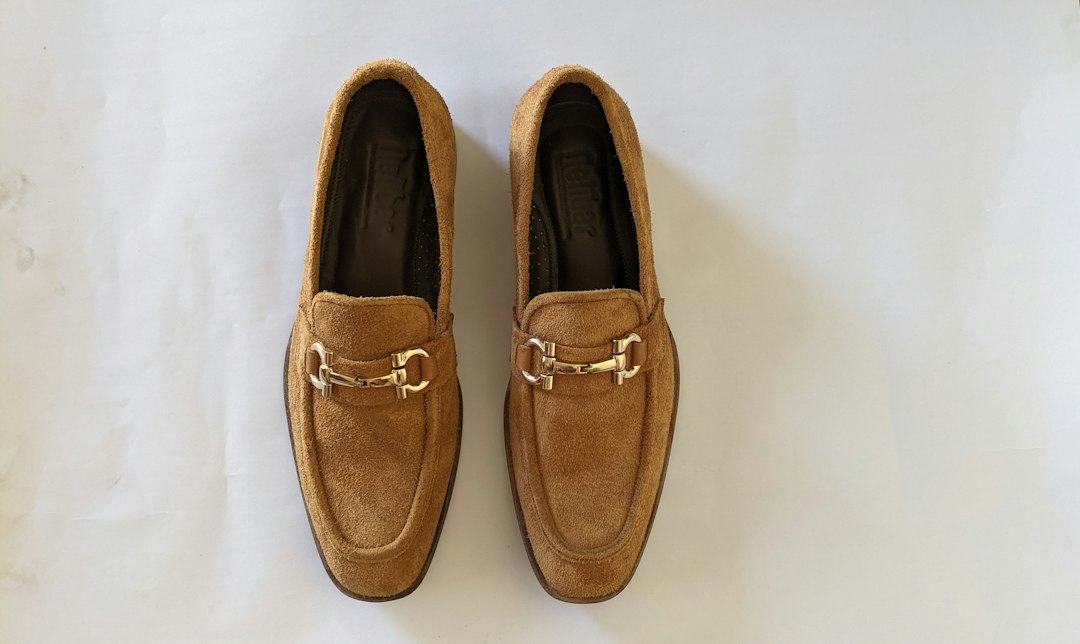
Spotted a pair of Gucci Jordaan loafers on eBay for $250 and wondering if your luck is finally in? Before you hit “buy,” let’s run a proper real vs fake Gucci Jordaan check. A slim loafer with a shiny Horsebit looks easy to copy, and that’s exactly why so many shoppers get caught out.
The good news: you don’t need to be an expert. You need a checklist, good photos and the willingness to walk away. Published authentication advice covers Gucci loafers in general more than the Jordaan specifically, so we’ll flag what’s confirmed and what’s only commonly reported.
Say your sister wants them for her birthday. You find a listing with three blurry photos, no box and a seller who replies “100% real, trust me.” Here’s what to ask next.

Quick Check: Real vs Fake Gucci Jordaan at a Glance
| Feature | Authentic Gucci Jordaan | Common Fake Signs |
|---|---|---|
| Shape | Slim profile with an elongated almond toe | Chunky or rounded toe |
| Heel | Fixed heel (the Brixton is the fold-down style) | Fold-down heel sold as a Jordaan |
| Upper | Leather; suede versions also sold | Plastic-looking or coated finish |
| Horsebit | Gold-toned, solid, cleanly finished | Light, pitted or brassy-looking metal |
| Lining and sole | Leather lining, insole and sole on listed pairs | Synthetic sole or lining |
| Insole | Crisp logo and Made in Italy at the heel | Fuzzy, crooked or flaking logo |
| Construction | Neat sole join, commonly reported Blake stitching | Visible glue, messy edges |
| Style number | Should match the box label | Mismatched or missing codes |
| Price | About $1,090 / £810 at a major retailer | “New” pairs at a fraction of that |
Which of these checks do you usually skip? Tell us in the comments.
Tip: compare your item side by side with photos on the brand’s official website.
1. Start With the Shape
What the real one has:
- A slim line and elongated almond toe. The Jordaan is a slimmer update of the classic 1953 loafer.
- A fixed heel. The Brixton is the style with a heel that folds down.
What fakes often get wrong:
- A bulkier silhouette, especially around the toe.
- Listings that mix up the names. If the seller can’t tell a Jordaan from a Brixton, ask more questions.
2. Feel the Materials
What the real one has: calfskin uppers (suede is also sold), with leather lining, insole and sole on retail-listed pairs.
What fakes often get wrong: synthetic soles, plastic-feeling uppers and coated finishes are commonly reported. Ask for a close-up of the sole edge, where cheap materials tend to show.
3. Examine the Horsebit
What the real one has: a gold-toned Horsebit with smooth edges, firmly attached to the upper.
What fakes often get wrong:
- Metal that looks thin, pitted or uneven in color.
- Rough casting marks around the links.
- A bit that sits crooked or isn’t level with the vamp.
For a wider view of the signature hardware, see our guide to real vs fake Gucci Horsebit loafers.
4. Check the Stitching and Construction
What the real one has: tidy, even stitching around the vamp, and Blake construction is commonly reported.
What fakes often get wrong: visible glue along the sole join and glued-only construction are the most reported problems. Wandering stitches around the apron are another warning sign.
5. Read the Insole and Outsole Markings
What the real one has:
- A crisp logo at the heel of the insole with “Made in Italy,” as The RealReal’s guidance describes.
- Soles commonly reported to carry the logo, Made in Italy and the size.
What fakes often get wrong: smudged lettering, uneven spacing and logos that are too big. Wear can soften real stamps, so judge the sharpness of the original impression, not the shine.
6. Compare Size Labels and Codes
What the real one has: a style number that should match the box. Modern Gucci codes are commonly described as a 6-digit style number plus a further factory or size code.
What fakes often get wrong: mismatched labels between shoe and box. But codes get copied, so a matching number is a passed check, not proof.
7. Look at the Box and Dust Bags
What the real one has: a box label with matching details; two dust bags per pair are commonly reported.
What fakes often get wrong: oversized or tightly spaced box logos and a single dust bag. Still, packaging can be faked or lost, so it should never decide the matter alone. Our packaging guide explains why.
8. Use Smell and Weight Carefully
A strong chemical or glue smell is commonly reported on fakes, and real leather shoes usually feel more substantial than plastic ones. But there’s no official weight to compare against, and worn pairs vary. Treat this as a hint only. Our piece on the smell test explains its limits.
9. Price & Seller Red Flags
- “Brand new” pairs far below the roughly $1,090 / £810 seen at a major retailer. Prices change, so check current listings.
- A seller with only stock photos or no sole photos.
- Pressure to pay outside the platform, by bank transfer or gift card.
- “Factory seconds” or “overrun” stories. See why factory overrun claims don’t hold up.
- Refusal to allow returns on a “new” item.
Selling counterfeits is illegal, and customs can seize fakes, so a too-cheap pair bought abroad may never reach your door.
Photos to Ask For Before You Pay
Loafers are a gift to scammers because listings often show only the top of the shoe. Most of the useful evidence is underneath and inside. Before you send any money, ask for clear, well-lit photos of:
- Both shoes from the side, showing the toe shape and heel
- The Horsebit, straight on and from an angle
- The full sole of each shoe
- The join between upper and sole
- The insole, especially the heel area
- Any size or style markings
- The box label next to the shoe, if the box is included
Then compare what you receive against the official styles and the checklist below. Wear matters here too. A pre-owned pair should look used in ways that make sense: creasing at the vamp, scuffs on the sole, a softened insole stamp. Be careful with a “worn twice” pair that shows heavy sole wear, or a “heavily loved” pair with a perfectly clean sole.
If a seller refuses to show the soles, walk away. You’ll find more ideas in our guide to what photos to ask for, which applies just as well to shoes.
Real vs Fake Checklist
- Confirm it’s a Jordaan: slim, almond toe, fixed heel.
- Inspect leather or suede up close.
- Examine the Horsebit for clean edges.
- Look for tidy stitching and no glue at the sole join.
- Check the insole logo and Made in Italy stamp.
- Check the sole markings.
- Match the shoe code to the box label.
- Review box and dust bags, but don’t rely on them.
- Check seller history and returns.
- Pay with buyer protection.
When to Get a Professional Authentication
If you’re spending real money or something feels off, get an expert opinion before the return window closes. Online tips can’t guarantee authenticity. You can compare shape, hardware and details against the current styles on Gucci’s official website, or ask at a Gucci store. Our guide to how authentication services work covers what to expect, and you can also read our designer sneaker guide for more footwear checks.
FAQ: Real vs Fake Gucci Jordaan
How can you tell if Gucci Jordaan loafers are real?
Check the shape, Horsebit, materials, insole and sole markings, and whether the code matches the box. No single detail is enough on its own.
What is the difference between Gucci Jordaan and Brixton loafers?
The Brixton has a heel that can fold down, while the Jordaan has a fixed heel. Knowing that helps you catch sloppy or misleading listings.
Do Gucci loafers come with two dust bags?
Two are commonly reported, but this varies and pre-owned pairs often lose them. Don’t treat dust bags as proof either way.
Is the sole or the Horsebit the better giveaway?
Opinions differ. Some swear by the Horsebit, others say soles and construction are harder to fake. Which would you check first?
Bottom Line
A real vs fake Gucci Jordaan check is about the small things: shape, Horsebit, sole join, markings and matching codes. Gucci changes details across years and collections, so always compare with official images and be wary of absolutes.
This guide is for general awareness. For a definitive answer, use the brand or a professional authentication service. We are not affiliated with Gucci.
💬 Join the conversation
Loafers can look perfect in a photo and still fall apart under a closer look. Tell us in the comments below:
- Jordaan or Brixton: which style would you pick?
- Would you buy designer shoes without seeing the soles first?
- What’s the best or worst pre-owned shoe deal you’ve seen?
We read every comment and reply to questions. If this guide helped you, tap Like ❤️ and share it with a friend hunting for designer loafers – it could save them a lot of money. Follow us on Instagram @realorfake.bags for a new real-vs-fake check every day.
Please keep comments helpful and respectful. Links to replica sellers or requests to buy fakes will be removed.
Leave a Reply