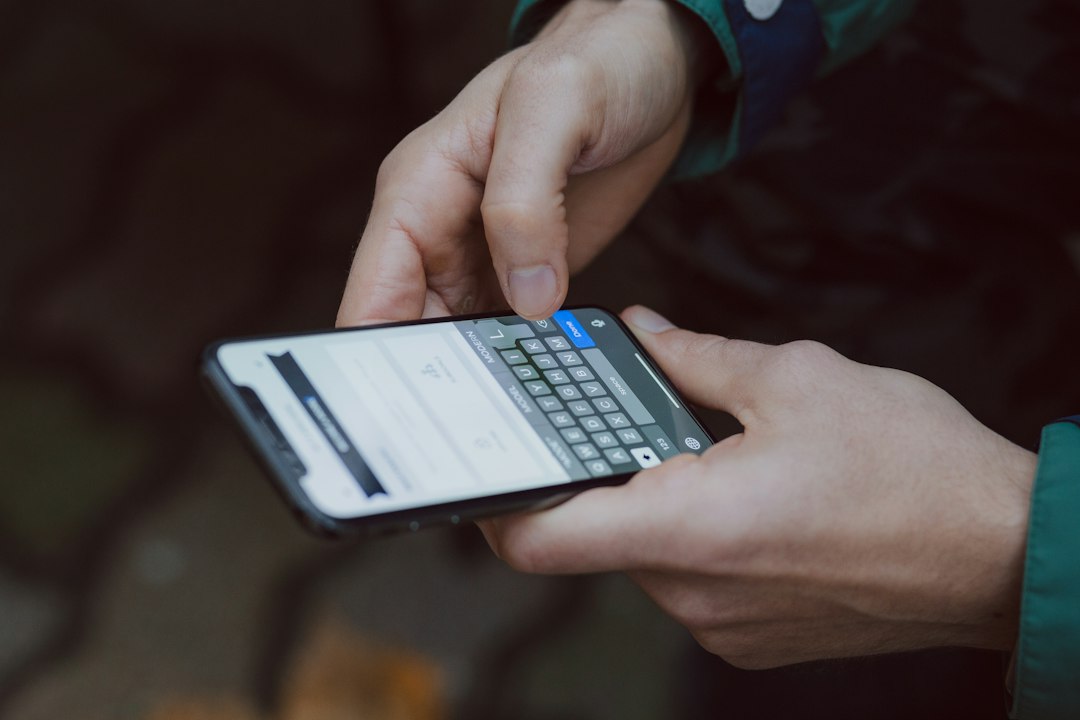
You list a pre-loved designer handbag for $900, and within an hour a buyer says, “Paid! Check your email.” Sure enough, a message with a familiar logo says the money is “pending” until you upload a tracking number. Is it real? Very often, it is a fake payment email scam, and it is one of the most common ways sellers lose both the bag and the money.
This guide explains how fake payment confirmations, overpayment tricks and “courier pickup” stories work on Vinted, Depop, Poshmark, eBay and Facebook Marketplace, and the simple habits that shut them down.

What Is a Fake Payment Email Scam?
A fake payment email scam is when a “buyer” convinces you that you have been paid when you have not. The proof is usually an email, a screenshot or a text that looks like it came from PayPal, Vinted, your bank or the selling app. The goal is to get you to ship the bag, send money back, or hand over your login details.
The 6 Most Common Tricks When Selling a Designer Bag
- The spoofed “payment received” email. It copies the colors and logo of PayPal or the selling app and says funds are “on hold” until you send a tracking number.
- “Pay to unlock your funds.” The email claims your account must be “upgraded” or “verified” and asks you to send a fee first. Real payment services do not ask you to pay to receive money.
- The overpayment. The buyer “accidentally” pays too much (by check, transfer or a fake email) and asks you to refund the difference. The original payment later bounces or never existed.
- The courier pickup story. The buyer says they are abroad or busy and a “courier” or “relative” will collect the bag.
- The off-platform switch. “Can we do this by email / WhatsApp / bank transfer to avoid fees?” Once you leave the app, you usually lose its seller protection.
- The phishing link. A message says “confirm your sale here” and leads to a copycat login page that steals your account or card details.
Have you ever received one of these messages after listing a bag? Tell us in the comments which trick you spotted first.
Tip: compare your item side by side with photos on the brand’s official website.
How Overpayment Scams Work (and Why the Money Disappears)
The US Federal Trade Commission has warned sellers for years about this pattern: a buyer sends more than the asking price, then asks you to return the extra. With a fake check, the funds can appear in your account before the bank discovers the check is fake. When it bounces, you owe the bank the full amount, and the money you sent back is gone.
Online, the same trick often skips the check entirely. The “overpayment” exists only in a forged email or a doctored screenshot. Nothing ever arrived, but you still refund real money.
The rule is simple: never send money back to a buyer for any reason before the sale is complete and the funds are confirmed inside your own account. If someone overpays, a genuine buyer can cancel and pay again for the right amount.
A Quick Scenario: How It Plays Out
Imagine this hypothetical example. Sam lists a Gucci shoulder bag on Facebook Marketplace for £700. A buyer replies instantly, doesn’t haggle, and says they will pay by PayPal because they are traveling. Ten minutes later, Sam gets an email: “You’ve received £850. Funds will be released once the seller sends the shipping receipt and refunds the £150 courier fee.”
Sam opens the PayPal app directly. The balance hasn’t changed. That one check stops the scam.
Real vs Fake Payment Confirmation: At a Glance
| What you see | Genuine payment | Fake payment email scam |
|---|---|---|
| Where it appears | Inside the app or your account balance | Only in an email, text or screenshot |
| Sender address | The company’s official domain | Free email accounts or lookalike domains |
| Fees | No fee to “release” money | Asks you to pay to unlock or upgrade |
| Amount | Matches the agreed price | Overpays and asks for a refund |
| Shipping | Label generated by the platform | Buyer’s own courier or address abroad |
| Communication | Stays in the app chat | Pushes you to email or messaging apps |
| Links | No need to click to see funds | “Click here to confirm your sale” |
Platform by Platform: What to Watch For
Vinted
Vinted’s help center has a dedicated page on recognizing spoof and phishing messages. The safest habit is to treat any sale that isn’t shown in your Vinted app as unpaid, and never follow links from buyers to “receive” money. Our guide to Vinted designer bag scams covers the buyer side too.
Depop and Poshmark
A classic red flag here is a buyer who comments “kindly email me” or asks for your phone number before buying. Both apps handle checkout and shipping labels inside the platform, so a request to move elsewhere is a reason to walk away.
eBay
Check “Sold” and your payouts inside your eBay account, not your inbox, and ignore requests to cancel and sell directly.
Facebook Marketplace
Marketplace sellers often report fake “payment app” emails claiming the seller must upgrade to a business account before money can be released. Cash in person at a safe public spot, or a payment you can see land in your own account, is far safer. See our full breakdown of Facebook Marketplace designer bag scams.
How to Protect Yourself When Selling a Designer Bag
- Verify payment yourself. Close the email, open the app or type the website address manually, and check your balance.
- Stay on the platform. Keep chat, payment and shipping labels inside the app so its protections apply.
- Never pay to get paid. No legitimate service charges you a fee to release a buyer’s payment.
- Refuse refunds of “extra” money. Ask the buyer to cancel and pay the correct amount.
- Don’t click links in buyer messages. Report them to the platform instead.
- Document your bag before shipping. Clear photos of serial details, hardware and condition help if a buyer later claims you sent something else.
Selling Authentic Only: Why Proof Matters
Some scammers claim the bag you sent is fake to force a refund. Selling counterfeits is illegal, and customs can seize fakes, so be sure what you own before listing it.
If you aren’t certain, check details against the brand’s own stores or website, or use a reputable professional authentication service and keep the certificate. Remember that online tips can’t guarantee authenticity; a professional opinion and good documentation are your best protection in a dispute.
Already Got Scammed? Report It
Report the account inside the platform first, then contact your bank or payment provider quickly. After that, file an official report:
- US: the FTC at ReportFraud.ftc.gov and the FBI’s Internet Crime Complaint Center (ic3.gov).
- UK: Report Fraud (the national service that replaced Action Fraud) and Citizens Advice for guidance.
- EU: the European Consumer Centres Network (ECC-Net) and your national police.
- UAE: the Dubai Police e-Crime platform or a police station; other emirates through their own police.
The FTC’s own advice for online sellers, Selling stuff online? Here’s how to avoid a scam, is worth bookmarking. For step-by-step help, see how to report a fake designer seller or browse our Scams & Red Flags archive.
FAQ
How can I tell if a PayPal payment email is fake?
Don’t judge by the email at all. Log in to PayPal directly through the app or by typing the address yourself. If the money isn’t in your balance, you haven’t been paid, however convincing the email looks.
Why would a buyer overpay for a designer bag?
Genuine buyers almost never overpay on purpose. An overpayment followed by a refund request is a classic scam pattern, because the original payment is fake or later reversed.
Is it safe to let a courier collect the bag?
Only if the platform arranges it and the payment already shows in your account. A buyer-arranged “courier” plus a payment you can only see in an email is a major red flag.
Should resale apps ban all off-platform messages?
This one is debatable. Our view: until apps do more, treat any request to leave the platform as a reason to pause.
Bottom Line
A fake payment email scam only works if you trust the message instead of your account. Check funds yourself, keep everything on the platform, never pay to get paid, and never refund an “overpayment.” Those four habits protect your bag and your money.
This guide is for general awareness. For a definitive answer on authenticity, use the brand or a professional authentication service. We are not affiliated with any brand or platform mentioned.
💬 Join the conversation
Sellers are the scammers’ new favorite target, and your experience can warn others. Tell us in the comments below:
- Have you ever received a “payment pending” email that turned out to be fake?
- Which platform feels safest to you for selling a designer bag?
- Would you ever accept cash in person for a high-value bag, or only in-app payments?
We read every comment and reply to questions. If this guide helped you, tap Like ❤️ and share it with a friend who is clearing out their closet on resale apps – it could save them a lot of money. Follow us on Instagram @realorfake.bags for a new real-vs-fake check every day.
Please keep comments helpful and respectful. Links to replica sellers or requests to buy fakes will be removed.
Leave a Reply