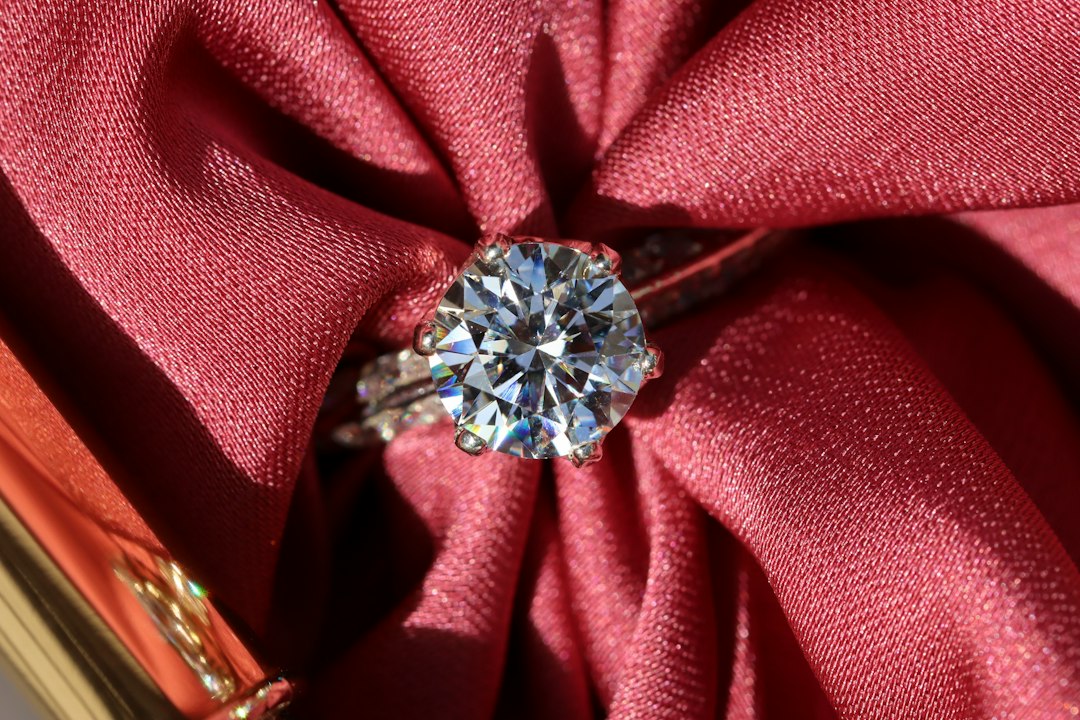
Inherited a ring, found a “diamond” pendant at a flea market, or eyeing a pre-owned engagement ring online? You’re probably wondering how to tell if a diamond is real – and whether those quick tricks from social media actually work. Short answer: most of them don’t.
Imagine breathing on a stone, watching the fog vanish, and thinking “great, it’s real” – then learning later that the test proves almost nothing. This guide shows you which checks are myths, which ones help a little, and what actually gives you an answer.

How to Tell If a Diamond Is Real: The Honest Answer
The Gemological Institute of America (GIA) says there are no easy, reliable at-home tests that confirm a natural diamond. The dependable route is an examination by a trained gemologist or an independent gemological lab. Everything else is a clue at best.
Why so tricky? Because the stones that copy diamonds are good at it. Moissanite and other imitations can sparkle beautifully. And lab-grown diamonds are not fakes at all – they are real diamonds with the same properties as mined ones. Only lab testing can tell lab-grown from natural.
Home Tests: Myth or Useful?
| Test | What people claim | Reality |
|---|---|---|
| Fog (breath) test | Real diamonds clear instantly | Inconsistent; natural and lab-grown behave the same |
| Newspaper / read-through | You can’t read text through a diamond | Unreliable – lighting, cleanliness, setting and eyesight change results |
| Loupe check | Inclusions mean it’s real | Some diamonds look flawless; imitations can have bubbles or inclusions |
| Sparkle | More sparkle means real | Many gems sparkle; not a dependable clue |
| Sharp facet edges | Real diamonds never wear | Real diamonds can have chipped or worn edges |
| Metal of the setting | Real stones only sit in gold or platinum | Diamonds are also set in silver |
| Sandpaper / scratch test | Diamonds can’t be scratched | Harmful – can damage the stone and metal. Never do it |
| Handheld “diamond tester” | Beeps = diamond | Commonly reported to be fooled by some moissanite, and it can’t tell lab-grown from natural |
Which of these “tests” have you tried before? Tell us in the comments.
Tip: compare your item side by side with photos on the brand’s official website.
Lab-Grown vs Natural vs Simulant: Know the Difference
- Natural diamond: formed in the earth.
- Lab-grown (synthetic) diamond: a real diamond made in a lab. Same chemistry and properties as natural.
- Simulant (imitation): a different material that looks like diamond – for example moissanite, cubic zirconia or glass.
Here’s the scam angle: a lab-grown stone is usually worth much less than a natural one of the same size. If a seller calls a lab-grown stone “natural”, you can overpay even though the diamond itself is “real”. That’s why a report matters more than any home test.
What a Gemological Lab Report Tells You
According to GIA, a lab report can:
- Identify the stone as natural, laboratory-grown or a simulant.
- Grade the 4Cs – color, clarity, cut and carat weight – independently.
- Disclose treatments used to improve color or clarity.
GIA reports can be checked online through GIA Report Check using the report number. If you have a stone without a report, GIA suggests asking a local jeweler to submit it. Read GIA’s own explainer here: How to tell if a diamond is real (GIA).
Red Flags When Buying Diamond Jewelry
- A “natural diamond” with no report, or a report the seller won’t let you verify.
- A report number that doesn’t match the online record (size, shape, weight).
- Prices far below similar stones with reports.
- Sellers who rely on “it passed the fog test” or “my tester beeped”.
- Pressure to pay by bank transfer or crypto, or to decide “today only”.
- Tourist-market or street sellers offering “certified” stones with paper certificates you can’t check.
The metal matters too. Check the stamps on the band – our guides on reading US, UK and EU jewelry hallmarks, telling if gold is real and telling if silver is real walk you through it. A stamp is a clue, not proof.
A Safe 5-Step Plan
- Skip the damaging tricks (scratching, heating, sandpaper).
- Ask the seller for a lab report and verify the number online.
- Compare the stone’s measurements and shape with the report.
- Have an independent gemologist or appraiser examine it before you pay in full.
- Pay with a method that offers buyer protection, and keep every message and receipt.
If you were sold a fake or a misdescribed stone online, report it: in the US to ReportFraud.ftc.gov or the FBI’s IC3, in the UK to Report Fraud and Citizens Advice, in the EU to the European Consumer Centres Network (ECC-Net) and local police, and in Dubai through the Dubai Police e-Crime platform.
FAQ
Does the fog test work on diamonds?
Not reliably. GIA says results are inconsistent, and natural and lab-grown diamonds react the same way.
Can a diamond tester detect moissanite?
Basic handheld testers are commonly reported to confuse some moissanite with diamond. A gemologist or lab is the safer route.
Is a lab-grown diamond a fake diamond?
No. It’s a real diamond made in a lab. The problem is only when it’s sold as natural.
Does it matter if a diamond is lab-grown?
This one splits opinion. Some buyers love the lower price; others care about natural origin and resale value. Where do you stand? Either way, you deserve to know which one you’re paying for.
Bottom Line
Home tricks can’t tell you if a diamond is real – and some can damage your jewelry. A verifiable lab report and an independent gemologist can. Online tips can’t guarantee authenticity, so get expert confirmation before spending serious money. For more guides, browse our jewelry section.
💬 Join the conversation
Everyone has a diamond story. Tell us in the comments below:
- Have you ever tried the fog or newspaper test? What happened?
- Lab-grown or natural – which would you choose, and why?
- Do you keep the lab report with your jewelry?
We read every comment and reply to questions. If this guide helped you, tap Like ❤️ and share it with a friend shopping for an engagement ring – it could save them a lot of money. Follow us on Instagram @realorfake.bags for a new real-vs-fake check every day.
Please keep comments helpful and respectful. Links to replica sellers or requests to buy fakes will be removed.
Leave a Reply